
In the verdant hills of southeastern Austria, a centuries-old culinary treasure continues to define regional excellence. Known as Steirisches Kürbiskernöl, Styrian pumpkin seed oil has earned international acclaim not just for its complex flavor but also for its deep agricultural and cultural roots. From humble beginnings in the Styrian countryside to center stage at the Summer Fancy Food Show, this emerald-hued oil tells a story of terroir, tradition, and innovation.

The Origin of a Culinary Legacy
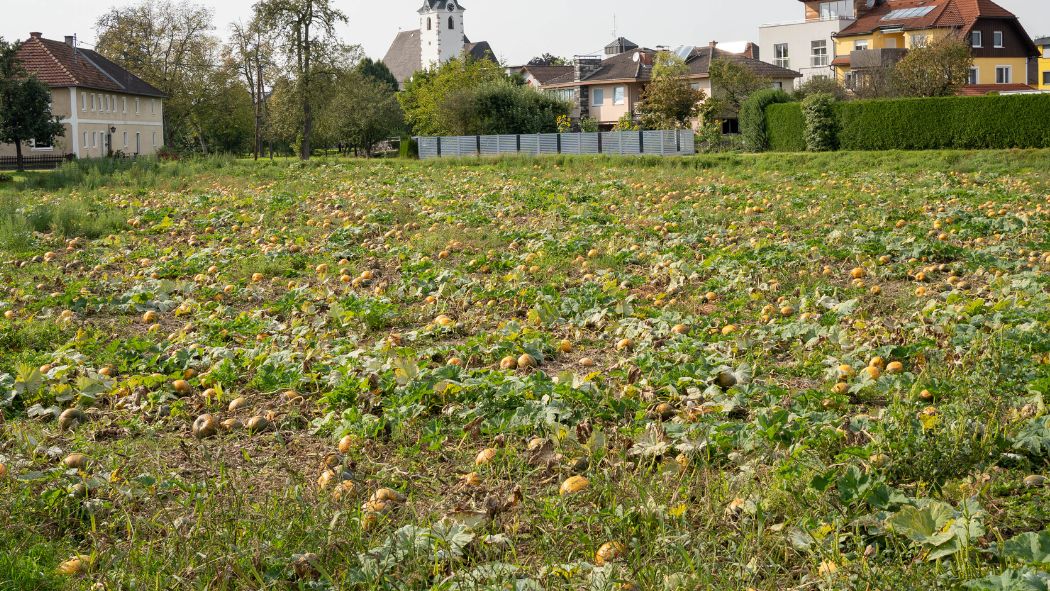
The journey of Styrian pumpkin seed oil begins in Styria, one of Austria’s nine federal states. The region is often referred to as “the green heart of Austria” due to its lush landscapes and long agricultural tradition. Pumpkins (Cucurbita pepo) arrived in Central Europe in the 16th century, but the unique hull-less seed mutation—Cucurbita pepo var. styriaca—was first documented in the late 18th century (Bavec et al., 2002).
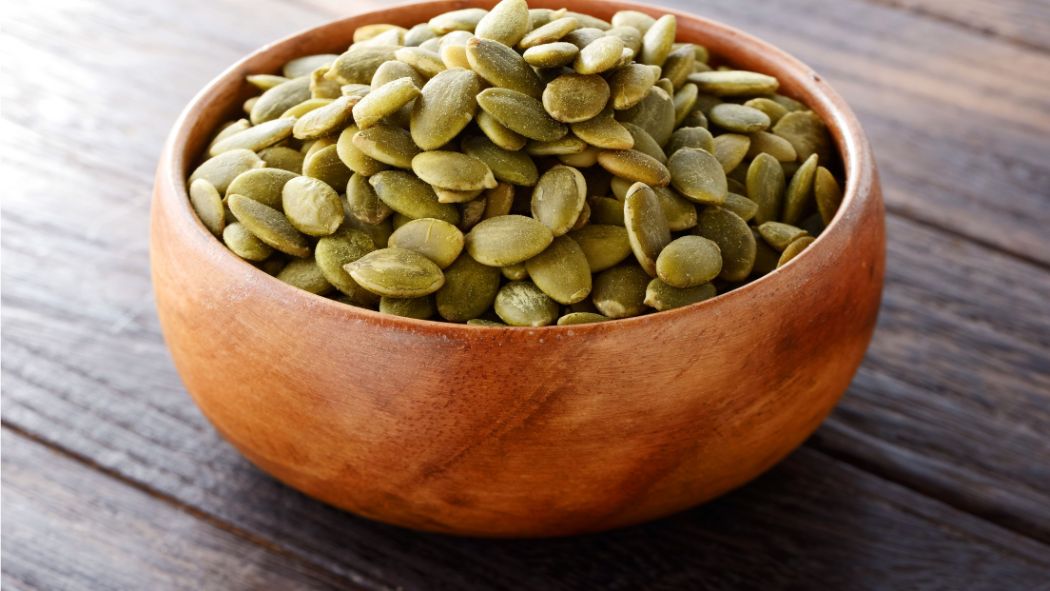
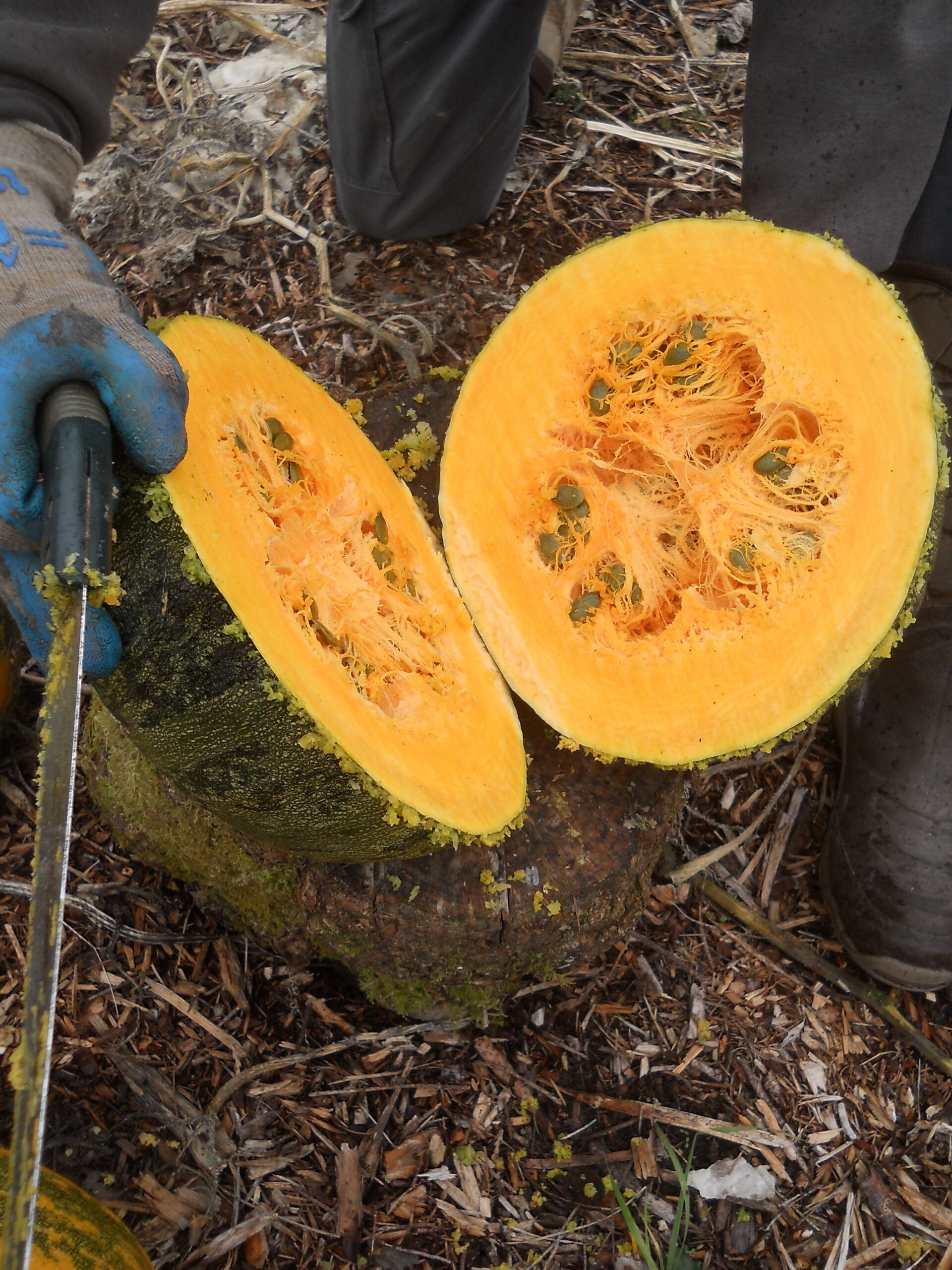
This variety produces seeds without a hard outer shell, allowing for easier oil extraction and higher oil content. The innovation was quickly adopted by local farmers, and by the late 19th century, Styrian pumpkin seed oil had become a staple in regional cuisine.
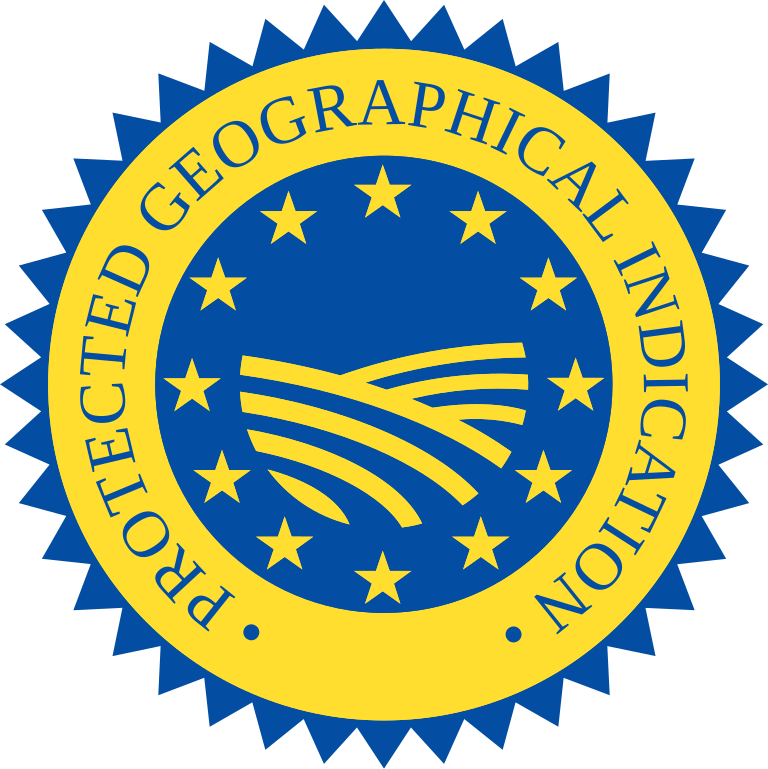
In recognition of its unique origin and quality, the oil was granted Protected Geographical Indication (PGI) status by the European Union in 1996 (European Commission, 1996). This designation ensures that only oil produced from Styrian-grown seeds and pressed within the approved geographic area may be labeled as Steirisches Kürbiskernöl g.g.A.
Environment and Production: Nature Meets Tradition
Styria’s distinct microclimate, characterized by warm days and cool nights, along with mineral-rich soils, contributes to the exceptional quality of the oil. Sustainable farming practices—such as crop rotation, reduced pesticide use, and emphasis on soil preservation—are standard among the region’s pumpkin growers (Austrian Agency for Health and Food Safety, 2020).
Production remains largely artisanal. Seeds are gently roasted, traditionally at temperatures between 100°C and 120°C, and cold-pressed without chemical solvents, preserving the oil’s nutrient profile and distinctive flavor (Géczi et al., 2009). The resulting oil is deep green with red undertones, known for its silky texture and nutty, slightly sweet aroma.
A Nutritional Powerhouse
Styrian pumpkin seed oil is not only celebrated for its taste—it’s also highly nutritious. The oil is rich in unsaturated fatty acids, particularly linoleic acid, and contains vitamin E, phytosterols, and polyphenols (Fruhwirth & Hermetter, 2007). Studies suggest potential health benefits, including support for cardiovascular health and prostate function (Tsai et al., 2006).
These attributes have made it increasingly popular among nutritionists and functional food advocates, further boosting its demand beyond Central Europe.
A Gourmet Essential
Renowned chefs regard Styrian pumpkin seed oil as a finishing oil, used to add depth to soups, roasted vegetables, meat dishes, and even desserts like vanilla ice cream. It has earned comparisons to fine balsamic vinegar and truffle oil in terms of culinary prestige.
At the Summer Fancy Food Show, artisanal producers such as Pelzmann, Ölmühle Hartlieb, and Fandler have consistently received accolades. The oil’s visually striking hue and rich flavor impress even the most exacting food critics.
Protecting and Promoting Authenticity
Despite its success, true Styrian pumpkin seed oil faces challenges from imitations. Only products bearing the official PGI seal—guaranteeing origin, method, and quality—can be trusted as authentic. Austrian cooperatives and producers continue to educate international buyers about these standards.
Its resilience in the gourmet market stands as a testament to the region’s unwavering commitment to quality. In a world that increasingly prizes transparency and provenance, Styrian pumpkin seed oil is both a relic of the past and a symbol of the future of sustainable, regional gastronomy.
References
- Austrian Agency for Health and Food Safety (AGES) (2020). Pumpkin Seed Oil: Characteristics and Quality Control. [online] Available at: https://www.ages.at [Accessed 15 June 2025].
- Bavec, F., Turinek, M., Grobelnik-Mlakar, S. and Bavec, M. (2002). Oil Pumpkins: Botany, Production and Uses. In: Janick, J. and Whipkey, A., eds., Trends in New Crops and New Uses. Alexandria, VA: ASHS Press, pp. 107–110.
- European Commission (1996). Official Journal of the European Communities: Registration of Steirisches Kürbiskernöl PGI. [online] Available at: https://ec.europa.eu/agriculture/quality [Accessed 15 June 2025].
- Fruhwirth, G.O. and Hermetter, A. (2007). Seeds and oil of the Styrian oil pumpkin: Components and biological activities. European Journal of Lipid Science and Technology, 109(11), pp.1128–1140.
- Géczi, G., Salamon, B., Horváth, G. and Kaszab, T. (2009). Effect of roasting on pumpkin seed oil quality. Acta Alimentaria, 38(2), pp.217–225.
- Tsai, Y.S., Tong, Y.C., Cheng, J.T., Lee, C.H. and Hsu, C.Y. (2006). Pumpkin seed oil inhibits testosterone-induced hyperplasia of prostate in rats. Urological Research, 34(3), pp.155–161.
If you enjoyed this article, please read Pumpkin Cheesecake With Graham Cracker Crust Recipe