A Nutty Business
Each year, about a thousand of America’s commercial beekeepers bring their honeybees to the California almond groves for pollination. It is the first major crop to be pollinated in the United States and is also a key source of income for commercial migratory beekeepers.
“They estimate that there are about 2 1/2 million colonies of bees in the whole country. The almond pollination requires about 1.6 million. Almost every available colony of bees is in California in February,” stated bee advocate, Tom Theobald.

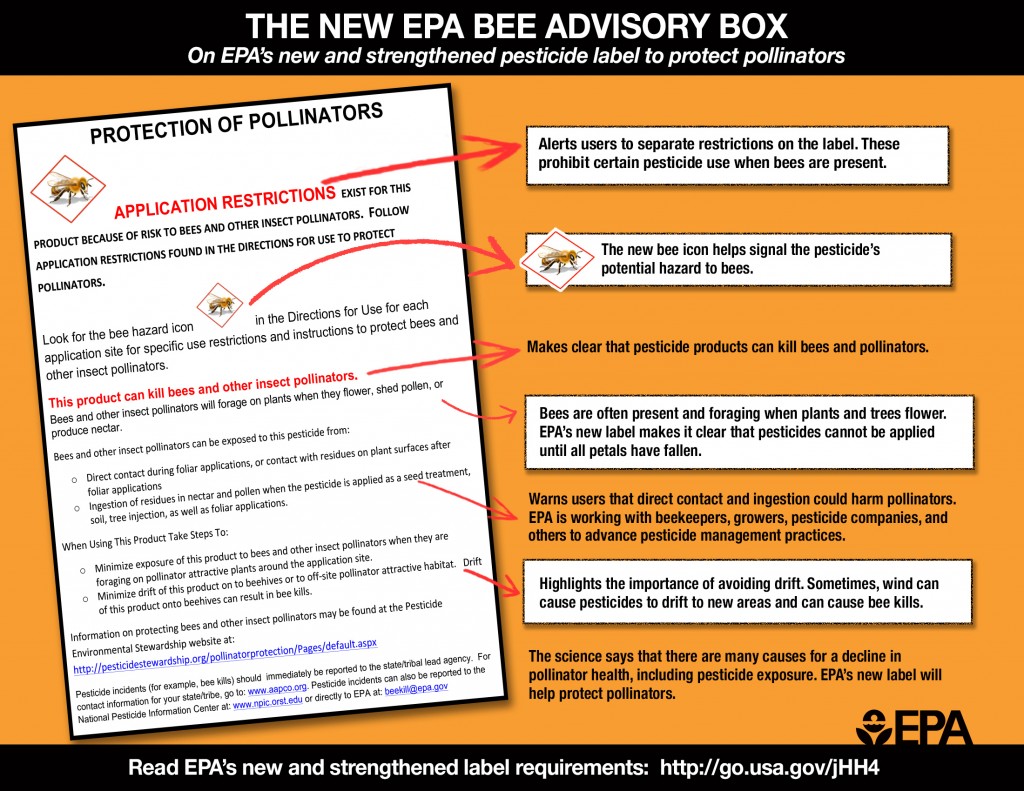
Considering that the majority of the commercial honeybees will be pollinating the almond groves in the beginning of the year, it would make sense that precautions would be taken to protect the health of the colonies from chemical applications that could harm or kill them. According to Tom Theobald the labeling is at issue.
An Inconvenient Truth
In Tom Theobald’s view, “‘The label is the law’ was the EPA’s mantra for twenty-five years until huge pesticide losses, not unlike what we are seeing in California, pressed beekeepers to call for enforcement of those laws. Suddenly, they became an inconvenience.”
A Tank Sized Toxic Problem
Tank mixes can be far more toxic than the ingredients are individually. There is very little direction with regard to tank mixes.
“They are tank mixing! They are mixing fungicides with IGR’s (insect growth regulators).

Somebody made a comment, what do you expect out of this? They say it is safe if it doesn’t blow up on you. You can use it if it doesn’t blow up. (It’s) A bomb! ….because nobody knows when you mix two chemicals together or what the effect is when you mix two chemicals together. It could be scary!” stated Bill Rhodes, Commercial Beekeeper and owner of Bill Rhodes Honey.
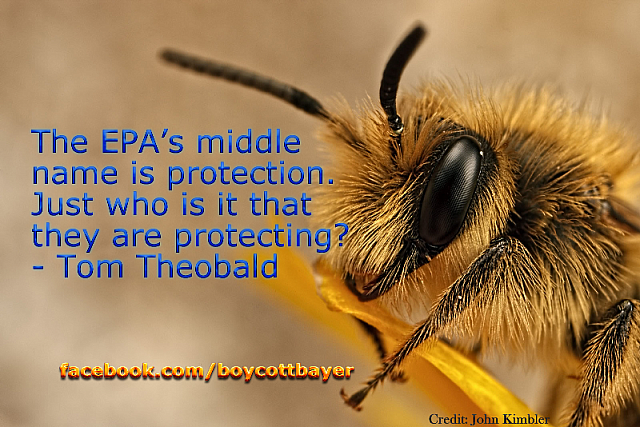
Who’s Watching The Watch Dog?
Listen To The Interview
Did EPA’s flawed label language cause the massive honeybee devastation in California during almond pollination? Beekeeper and bee advocate Tom Theobald talks to June Stoyer on The Organic View Radio Show about the history of EPA’s labeling requirements and what this means as far as food security. To listen to the interview please click play on the video below.